Explore Every Type of Vodka: Your Ultimate Guide to Styles and Flavors
June 30, 2024
Explore Every Type of Vodka: Your Ultimate Guide to Styles and Flavors
June 30, 2024
Explore Every Type of Vodka: Your Ultimate Guide to Styles and Flavors

Seeking the right type of vodka for your palate or cocktail? This essential guide breaks down the three primary types of vodka—plain, flavored, and artisanal small-batch. Each offers a distinct taste and potential for your glass, shaped by ingredients and origins. Get set to explore how these categories influence the vodka experience, from the classic refinement of plain vodkas to the innovative infusions of flavors and the bespoke quality of small-batch varieties. We’re here to help you navigate the nuances and find your next favorite.
Key Takeaways
Vodka is categorized into plain, flavored, and artisanal small-batch types, with varying ingredients like grains, potatoes, and unconventional bases contributing to distinct flavor profiles and mouthfeels.
Regional vodka variations reflect the cultural influences and production methods of their places of origin, while premium and luxury vodkas offer high-end filtration, unique packaging, and exclusive drinking experiences.
Vodka’s neutral taste makes it ideal for a variety of cocktails and food pairings, with classic and contemporary mixology recipes emphasizing its versatility and the importance of proper tasting techniques to appreciate its subtleties.
Exploring the Spectrum of Vodka: From Classic to Creative
Vodka is a chameleon among spirits, available in several forms that cater to a myriad of tastes and preferences. At its core, vodka can be broadly categorized into three main types: plain vodka, flavored vodkas, and artisanal small-batch vodkas. Each category offers its own unique experience, whether you’re looking for a neutral base for mixed drinks or a bold, infused flavor to enjoy neat.
There are three main categories of vodka:
Plain vodka: This is the quintessential choice for those who appreciate its clean, neutral taste.
Flavored vodkas: These bring an element of creativity, infused with a variety of botanicals, fruits, and spices to craft unique drinking experiences.
Artisanal and small-batch vodkas: These offer a bespoke touch, often produced with meticulous attention to detail and innovative techniques.
We’ll now examine each category to understand their unique characteristics.
The Standard Bearer: Plain Vodka
Plain vodka, with its clear appearance, is a testament to its purity and lack of impurities. This type of vodka is known for its high alcohol content and neutral tasting profile, which makes it a versatile addition to any bar. Its neutrality allows it to blend seamlessly into a variety of cocktails, letting the flavors of other ingredients shine through.
Classic cocktails like the vodka martini and vodka tonic owe much of their popularity to plain vodka’s ability to complement and enhance the flavors of mixers and garnishes. Brands like Grey Goose have perfected the art of producing plain vodka that is not only smooth and clean but also capable of elevating any mixed drink.
The Art of Infusion: Flavored Vodkas

Flavored vodkas, including the increasingly popular flavoured vodka, are crafted through a meticulous infusion process that begins with the distillation of high-quality plain vodka. This vodka is then combined with selected botanicals, fruits, herbs, or spices, and left to steep until the desired flavors are fully imparted. Popular additions include:
peppermint
raspberry
peach
coconut
lime
Each bringing a unique twist to the spirit.
The result is a flavored vodka that can be enjoyed neat, over ice, or as the star ingredient in creative cocktails. Whether it’s a lemon-flavored vodka adding zest to a summer drink or a slightly sweet raspberry vodka enhancing a dessert cocktail, the possibilities are endless. These vodkas invite experimentation and are perfect for those looking to explore different flavors and combinations.
Specialty Craftsmanship: Artisanal and Small-Batch Vodkas
Artisanal and small-batch vodkas represent the pinnacle of craftsmanship and innovation in the vodka world. These vodkas are often produced in limited quantities, with a focus on quality and unique flavor profiles. The production process may involve a variety of base ingredients, including:
traditional grains
potatoes
grapes
corn
rye
wheat
barley
fruits and vegetables
All of these ingredients are handled with meticulous care to create a truly exceptional vodka.
The result is a vodka that stands out not only for its taste but also for the story behind its creation. These vodkas cater to those who appreciate the finer details and are willing to explore new and exciting flavors. Whether it’s a small-batch vodka distilled from organic grains or one infused with exotic botanicals, these spirits offer a truly unique drinking experience.
The Base Ingredients: What Goes Into Your Favorite Vodka?
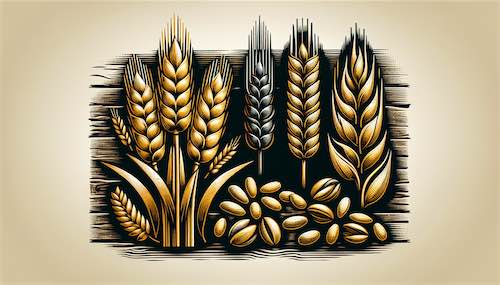
The ingredients used to produce vodka are as varied as the flavors they impart. Vodka can be made from a wide range of base ingredients, each playing a significant role in the spirit’s ultimate flavor and texture. Common choices include grains like wheat, rye, and barley, as well as non-grain alternatives such as potatoes, rice, corn, apples, and grapes.
Each base ingredient brings its own distinct characteristics to the vodka. For instance, corn may add a touch of sweetness, while potatoes contribute a creamy mouthfeel. Understanding these bases can enhance your appreciation of the different types of vodka available and help you choose the right one for your taste preferences.
Grain Vodkas: Wheat, Rye, and Barley
Grain vodkas, made from wheat, rye grain, or barley, are among the most popular and versatile types of vodka. Some examples include:
Wheat vodka: Known for its smooth and clean taste, wheat vodka is often described as having a slightly sweet flavor.
Rye vodka: Rye vodka is known for its earthy flavor with notes of spice and caramel, making it a favorite for those who enjoy a more robust spirit. Brands like Belvedere highlight the complex flavors of rye, offering a blend of vanilla, almond, and citrus with a peppery spice finish.
Barley vodka: Barley vodka is known for its light and crisp taste, often described as having a subtle sweetness.
These grain vodkas offer a wide range of flavors and are perfect for mixing in cocktails or enjoying on their own. One particular grain vodka stands out among the rest.
Wheat-based vodkas, such as Grey Goose, are celebrated for their slightly sweet and creamy profiles. The soft winter wheat used in Grey Goose contributes to its distinctive toasty and smooth flavor. Barley-based vodkas, on the other hand, offer a deep richness, adding another layer of complexity to the spirit.
The Earthy Alternative: Potato Vodka
Potato vodka stands out for its distinct creamy mouthfeel and earthy, subtly sweet flavor. The production process involves saccharification, where heat and enzymes break down the starches in potatoes into sugars, which are then fermented and distilled. This method results in a vodka that is smooth and rich, perfect for sipping neat or in cocktails that benefit from its unique texture.
Notable brands of potato vodka include those from Poland, where the tradition of using potatoes in vodka production has been perfected over centuries. These vodkas offer a delightful alternative to grain-based varieties, adding diversity to the world of vodka.
Beyond the Norm: Other Vodka Bases
The creativity in vodka production extends beyond traditional grains and potatoes to include unconventional bases like fruit vodkas, sugarcane molasses, and even raw honey. Each of these ingredients brings its own unique flavor and sweetness to the vodka, resulting in spirits that are both innovative and delicious.
For example, sugarcane molasses imparts a distinctive sweet and smoky profile, while fruits like apples and grapes add subtle, natural sweetness. These alternative bases showcase the versatility of vodka and the endless possibilities for creating new and exciting flavors.
Regional Variations: Vodka Across the Globe

Vodka production methods and ingredients vary significantly across different regions of the world, each contributing its own unique twist to the spirit. From the purity of Russian and Polish vodkas to the innovative techniques of American producers and the cultural influences of European countries, regional variations add a rich tapestry of flavors and styles to the vodka landscape.
Each country has its own traditions and innovations, making the exploration of regional vodkas an exciting journey. It’s time to explore some regional variations and uncover their unique aspects.
Russian and Polish Heritage: The Heartlands of Vodka
Russia and Poland are often considered the heartlands of vodka, renowned for their traditional production methods and high standards of purity. Russian vodka, typically made from wheat or rye, is rigorously filtered to achieve its renowned smoothness. One notable technique used is the post-filtration chilling process, as seen with elit by Stolichnaya, where the vodka is chilled before passing through a carbon filter to enhance its purity.
Polish vodka, on the other hand, offers a wider variety of bases, including rye, potatoes, and even triticale, a wheat-rye hybrid. This diversity results in a range of flavor profiles, from the spicy notes of rye vodka to the creamy texture of potato vodka, making Polish vodkas some of the most versatile and interesting spirits available.
American Innovations: New World Vodkas
American vodka producers have embraced innovation, using unorthodox ingredients and techniques to create unique and flavorful spirits. For instance, Tito’s Vodka from Texas is made entirely from corn, offering a sweeter profile that is perfect for cocktails. Prairie Organic Vodka, distilled from non-GMO organic corn, highlights the trend towards using local and sustainable ingredients.
Hawaiian vodka, made from organic sugarcane and deep ocean mineral water, exemplifies the creativity and regional influence in American vodka production. These innovative approaches not only result in distinctive flavors but also contribute to the growing popularity of American vodkas.
European Flair: French, Dutch, and Scottish Vodkas
European countries like France, the Netherlands, and Scotland bring their own cultural influences and unique ingredients to vodka production. Here are some characteristics of vodka from each country:
French vodka, often made from grapes, offers a smoother and sweeter profile.
Dutch vodka may use traditional grains or innovate with ingredients like tulip bulbs.
Scottish vodka, incorporating malted barley, is known for its rich and complex flavors, often enhanced by diamond filtering techniques.
The Dutch triple-distillation technique results in a lighter flavored vodka, adding to the diversity of European vodkas. These regional differences contribute to a wide array of flavors and styles, making European vodkas a fascinating category to explore.
The Connoisseur’s Choice: Premium and Luxury Brands
For those who seek the finest in vodka, premium and luxury brands offer an elevated drinking experience. These brands are characterized by their meticulous production processes, high-end filtration techniques, and luxurious packaging. Vodkas like Grey Goose, distilled in the northeast of Paris and blended with spring water from Cognac, exemplify the dedication to quality and refinement.
To achieve smooth and pure profiles, luxury vodka brands often employ unique ingredients and advanced filtration techniques. The premium packaging, such as the replaceable corks used by Grey Goose, further enhances their exclusivity and appeal.
High-End Filtration Processes
Filtration is a critical step in the production of luxury vodkas, ensuring a smooth and pure final product. Traditional charcoal filtration is commonly used to remove impurities and enhance the clean taste of plain vodka. However, some premium brands take filtration to the next level with techniques like Herkimer diamond filtration, used by Crystal Head Vodka, which adds a touch of luxury and sophistication to the process.
Other brands, like Loaded Vodka, employ elaborate filtration methods such as coconut carbon filtration to achieve their distinctive smoothness. These advanced techniques not only improve the quality of the vodka but also justify the premium prices associated with these brands.
The Prestige of Price and Packaging
Not only do luxury vodka brands convey exclusivity through their top-notch production processes, but also their premium pricing and distinctive packaging. Some examples include:
Crystal Head Vodka, which uses skull-shaped bottles to create a sense of uniqueness and attract consumers seeking something special
Belvedere Vodka, which is known for its sleek and elegant packaging
Grey Goose Vodka, which is often associated with luxury and sophistication
The premium pricing of these vodkas further reinforces their status as luxury items, appealing to connoisseurs who prefer the finest liquors.
These brands understand that presentation matters and use it to enhance the overall drinking experience. Whether it’s the elegant design of the bottle or the meticulous attention to detail in the packaging, luxury vodka brands make a statement that goes beyond the spirit itself.
Vodka Pairings and Cocktail Inspirations
Vodka’s neutral flavor profile makes it an excellent base for a wide variety of cocktails, encouraging experimentation in mixology. Some classic vodka cocktails include:
Bloody Mary
Moscow Mule
Cosmopolitan
Vodka Martini
White Russian
But vodka’s versatility allows for endless creativity, so don’t be afraid to try new recipes and create your own signature cocktails. From fruity and refreshing to rich and indulgent, the possibilities are endless. Cheers to vodka’s versatility and the art of mixology!
Pairing vodka with food can also enhance the drinking experience, as its subtle flavor complements a variety of strong-tasting dishes. Regardless of whether you are relishing a luxurious platter of caviar and smoked salmon or a simple cheese and crackers spread, vodka has the potential to enhance your culinary experiences.
Food Pairings for Vodka Aficionados
Vodka’s subtle flavor makes it a perfect companion for a range of strong-tasting foods, enhancing both the drink and the meal. Luxurious pairings like caviar and smoked salmon are classic choices, harmonizing beautifully with vodka’s sharpness and highlighting its clean, crisp characteristics. These combinations offer a sophisticated experience that is both indulgent and satisfying.
For a more casual affair, simple pairings like cheese and crackers work wonderfully. Opt for cheeses with sharp and dense notes to complement vodka’s citrus undertones. Another fantastic pairing is pickles, whose tangy and salty flavors marry well with ice-cold vodka, making for a refreshing and delightful snack.
Mixing It Up: Cocktail Recipes for Every Occasion
Vodka serves as the foundation for a plethora of cocktails, from timeless classics to innovative concoctions. The Vodka Martini, with its elegant simplicity of vodka and vermouth, remains a staple in the cocktail world. For a tangy twist, the Cosmopolitan combines vodka with orange liqueur, cranberry juice, and lime, creating a vibrant and refreshing drink.
Innovative cocktails like the rhubarb & custard and the white chocolate martini bring a touch of creativity to any event. The Moscow Mule, with its blend of vodka, ginger beer, and lime juice, stands out as a simple yet popular choice, traditionally served in a distinctive copper mug. These recipes encourage experimentation and offer endless possibilities for delicious and visually appealing drinks.
Vodka Tasting Tips: How to Appreciate the Subtleties
Engaging all your senses is key to appreciating the subtleties of vodka; it’s not just about sipping it. Start by serving vodka at the right temperature—freezing it can enhance its viscosity and mouthfeel, creating a smoother experience. Choosing the right glassware, such as martini or lowball glasses, allows you to fully appreciate the vodka’s bouquet.
Before tasting, cleanse your palate with neutral foods like white bread or crackers to ensure a more accurate flavor profile. Engaging your taste buds in this way can help you better distinguish between various types and brands of vodka. Take notes as you swirl, smell, and taste the vodka, capturing the different flavors and nuances. This mindful approach to tasting can deepen your appreciation and help you distinguish between various types and brands of vodka.
Summary
In summary, the world of vodka is vast and multifaceted, offering something for every taste and preference. From the classic plain vodka to innovative flavored and artisanal small-batch varieties, each type brings its own unique experience. Understanding the different base ingredients and regional variations further enriches your appreciation of this versatile spirit.
Whether you’re enjoying a premium luxury brand, experimenting with cocktail recipes, or pairing vodka with your favorite foods, the possibilities are endless. So, raise a glass and explore the myriad flavors and styles that vodka has to offer. Cheers to your vodka journey!
Frequently Asked Questions
What makes plain vodka different from flavored vodka?
Plain vodka has a neutral taste, making it versatile for cocktails, while flavored vodka is infused with botanicals, fruits, or spices to create unique tastes.
What are some popular base ingredients for vodka?
Popular base ingredients for vodka include grains like wheat, rye, and barley, as well as non-grain options such as potatoes, rice, corn, apples, and grapes. Cheers!
How do regional variations affect vodka production?
Regional variations affect vodka production through unique ingredients and techniques. For instance, Russian and Polish vodkas are known for their purity and traditional methods, while American vodkas often use innovative ingredients and techniques.
What are some food pairings that go well with vodka?
Vodka pairs well with caviar, smoked salmon, cheese and crackers, and pickles, enhancing both the drink and the meal's flavors. These food pairings can create a delightful experience when enjoying vodka.
What tips can help me appreciate the subtleties of vodka?
To appreciate the subtleties of vodka, serve it at the right temperature, use the appropriate glassware, cleanse your palate before tasting, and take notes to capture the different flavors and nuances. Enjoy exploring the nuances!